

04 - THE PROCESS
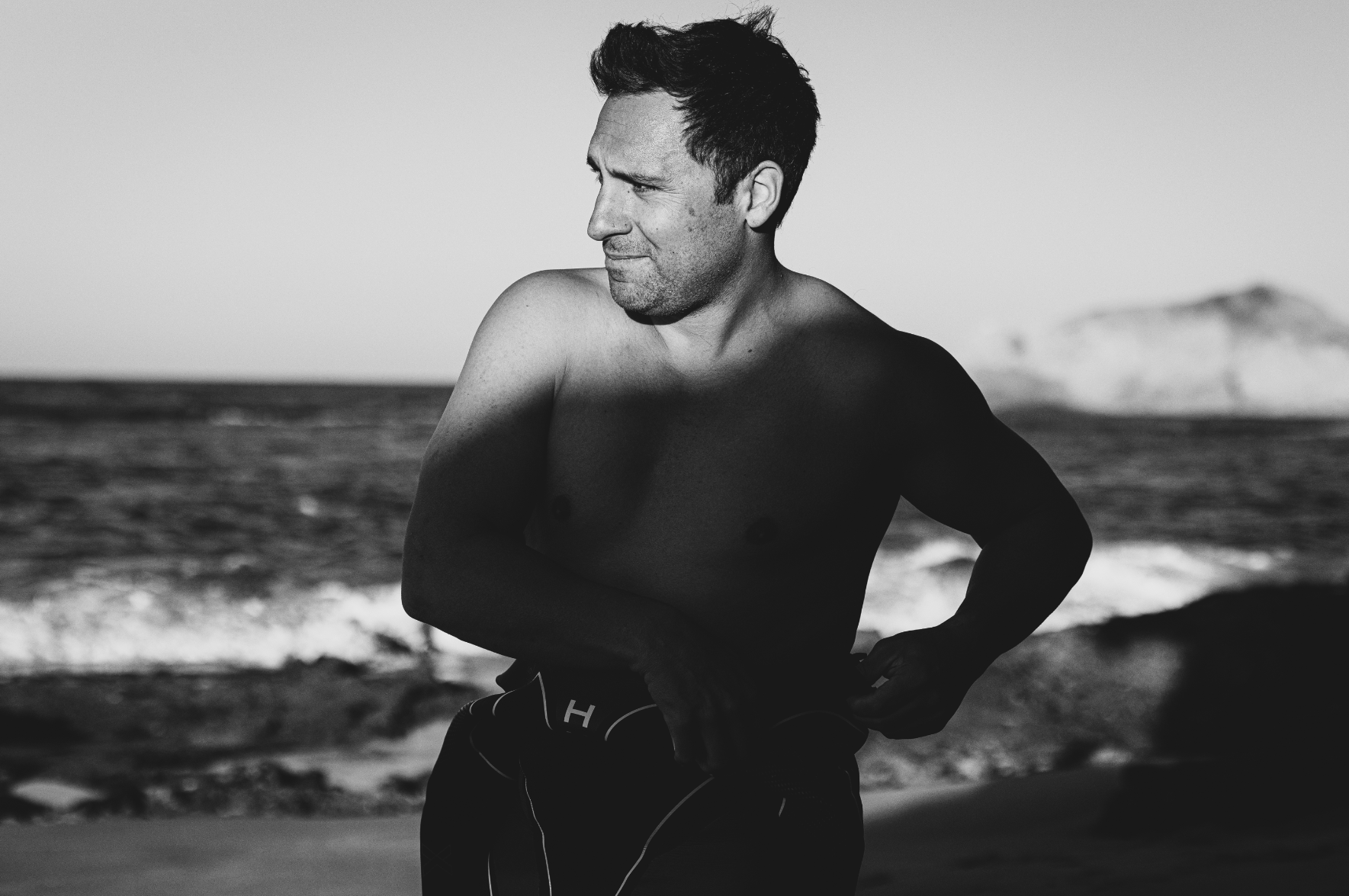
TRAIN TODAY.
FOR WHAT YOU NEED TOMORROW.
We think beyond the next workout. We plan backward from the demands of your goal, understanding that the adeptations you need on race day are built weeks, or months - before you get there.
How often have you thought about adaptation latency? Us- pretty much everyday and it matters for you.
ATHLETES THINK ABOUT THE PRESENT.
COACHES THINK ABOUT THE FUTURE YOU.
This is a very natural way for athletes to think, it makes sense. But coaches thing differently because the workout you do today isn’t really for today, it’s for later.
Training creates stress. Your body responds to the stress and adaptation happens over time.
The amount of stress, the type of stress, and the recovery windows used create different adaptations on different timelines.
That's one of the reasons we don't build training by simply looking at what an athlete needs right now.
We look at what they need on race day—and work backward.
If we need a certain adaptation in April, when does the work that creates it need to happen?
What needs to happen before that?
And before that?
Eventually you work your way all the way back to today.
That's macro planning.
To give you an idea of what we are talking about in broad strokes, here is a sample adaptation latency protocol that we use as a general guide:
VO₂ Max
Typical Block: 4–6 weeks
Benefit: 14–21 days after final session
Why the delay?
Mitochondrial biogenesis & increased capillary density take 7–14 days to fully manifest
Threshold Training
Typical Block: 4–6 weeks of sustained efforts
Benefit: 21–28 days post-block
Why the delay?
Lactate clearance efficiency: Upregulation of MCT1/4 transporters takes 14–21 days.
Aerobic enzyme adaptations take 3–4 weeks to peak.
Capillary remodelling: O2 delivery capacity peaks 21–28 days post-training.
Aerobic Endurance
Typical Block: 6–12 weeks
Benefit: 28–42 days post-block
Why the delay?
Slow-twitch fibre remodelling & aerobic infrastructure adaptations take 4+ weeks to fully develop
THE PLAN GIVES US DIRECTIOn.
THE ATHLETE GIVES US FEEDBACK.
Even with the best plan and intentions, life gets involved.
An athlete gets sick. Work goes sideways. A workout goes unexpectedly well. Or to Sh*t.
Fitness develops faster than expected. Or slower. Now we're operating at the micro level.
We adjust. But we don't want every adjustment to become an overreaction- this is very common in beginner coaches and athletes.
A bad Tuesday doesn't necessarily mean the plan is wrong. A great Saturday doesn't mean we need to immediately add 20 watts to everything.
The plan gives us direction. The athlete gives us feedback. Good coaching lives between the two.
Know where you're trying to go. Understand roughly when the adaptations need to happen.
Build the progression that gets you there.
Then keep looking at the athlete standing in front of you and adjust as necessary.
