Patience Is Confidence | Let Your Body Catch-Up

Patience.

It's one of the most important skills an athlete can develop. And one of the hardest.

Most athletes want results now. We want to know if the training is working. We want proof that we're getting fitter. We want to test ourselves.

The problem?

Fitness doesn't work on our timeline.

It takes time.

And that requires patience.

Patience Is Confidence

Most athletes think confidence creates patience.

I think patience is confidence.

Patience is trusting the process.

Patience is trusting the plan.

Patience is trusting yourself.

It's understanding that fitness is built, not forced.

The athlete who constantly feels the need to prove something today,
often struggles to achieve what's possible tomorrow.

Patience In Racing | The KONA Lesson

Patience means racing your race.

Not someone else's.

One of the lessons I learned throughout my professional career came from racing Kona.

What most people don't know is that I was injured going into nearly every Kona that I raced except one. Looking back, part of that was because I often lived on the razor's edge in training. Sometimes I wasn't patient enough. Sometimes I wasn't confident enough to let the training take shape.

Ironically, those injuries forced me to become more patient on race day.

I remember one year in particular when I hadn't run for nearly eight weeks leading into the race. As we came out of T2, the other athletes took off like rockets. Through the first few miles the gap kept growing. By mile 10, I was sitting somewhere around 15th to 20th place and several minutes behind the group I got off the bike with.

It would have been easy to panic.

It would have been easy to chase.

It would have been easy to abandon the plan.

Instead, I stayed patient.

I trusted my preparation.

I trusted my race plan.

Most importantly, I trusted myself.

Over the second half of the marathon, I slowly reeled athletes back in. One by one. By the finish, I had worked my way into 4th place and passed more than 15 athletes along the way.

That day wasn't about fitness.

It was about patience.

Patience allowed confidence to beat ego.

Patience allowed execution to beat emotion.

Patience allowed me to race my race.

Patience In Training

Patience shows up in training every day.

It shows up when you don't rush the process.

It shows up when you stick to the workout instead of turning every session into a test.

It shows up when you avoid "vanity training" designed to make you feel fit rather than become fit.

It shows up when you finish a workout knowing you could have done more.

The best athletes understand that one workout won't make a season.

But hundreds of workouts strung together just might.

Patience During Injury

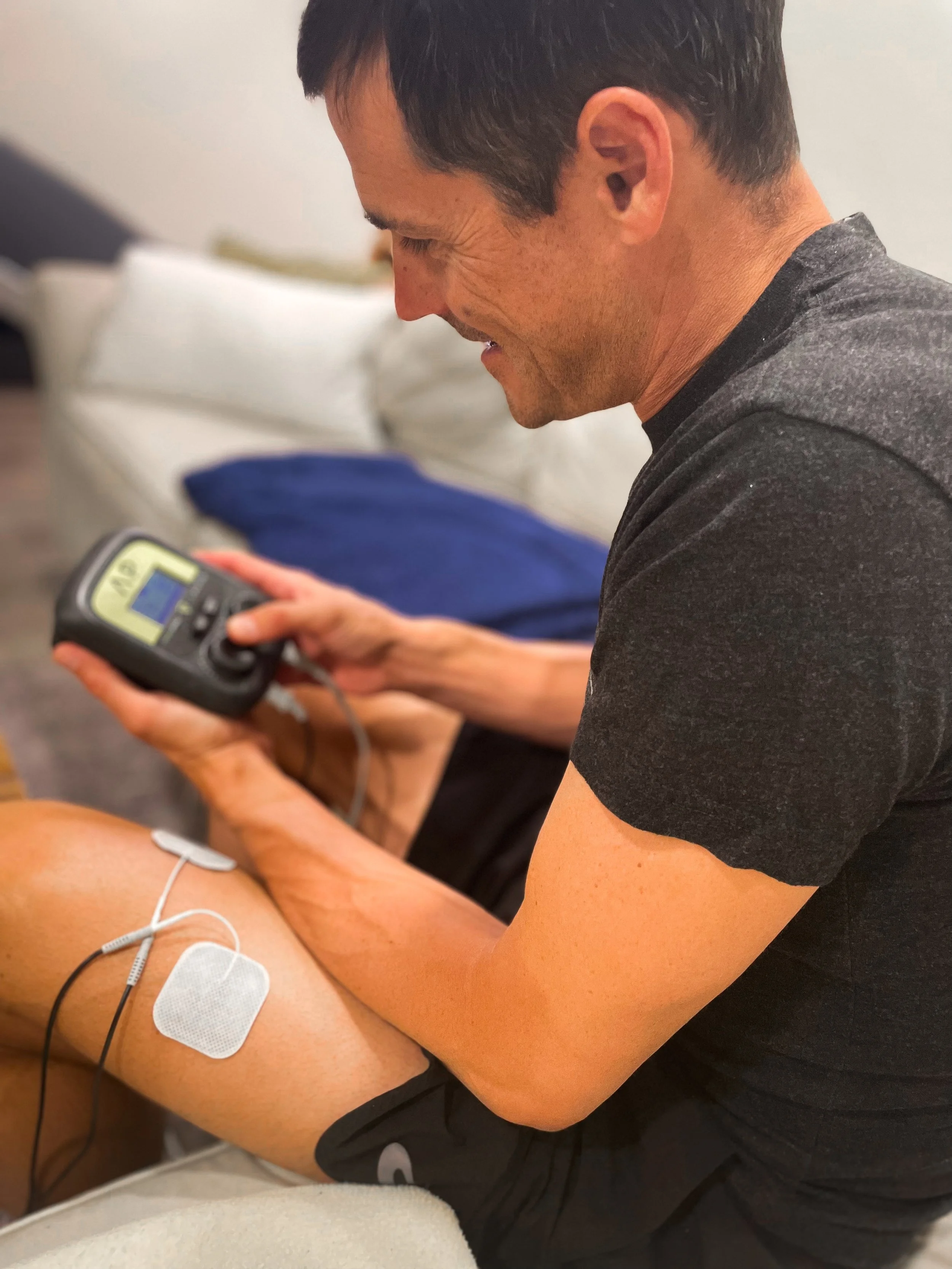
Patience becomes even more important when things don't go according to plan.

An injury happens.

You start feeling better.

You want to get back to training.

The temptation is to do too much, too soon.

The patient athlete understands that a few extra days of recovery are often far better than a few extra weeks of frustration.

Sometimes the fastest way back is the slower way back.

Patience When You're Sick

We've seen this scenario play out countless times.

An athlete starts getting sick but doesn't want to lose fitness.

So they "half-train."

They get a little sicker.

Then they take a day off.

Then they come back too soon because they don't want to lose more fitness.

So they "half-train" again.

Before long, they've turned a few days of illness into a few weeks of compromised training.

The athlete who has patience takes the time needed to recover.

They get healthy.

Then they get back to work.

More often than not, they're training normally again far sooner than
the athlete who tried to force it.

The Long Game

Patience gives your body time to catch up to your ambitions.

Patience keeps you healthy.

Patience keeps you consistent.

Patience keeps you improving.

Most athletes are looking for giant leaps.

The best athletes understand that giant leaps are often the result of hundreds of small steps taken patiently over time.

Trust the process.

Trust your training.

Race your race.

Stay patient.

The results will come.

Daniel BrienzaComment